STF Ruling on ADI 6.309 Limits Minimum Age for Special Retirement for All Workers

Eduardo Braga Assume Relatoria do Orçamento 2027 no Senado
3 de novembro de 2026
Introduction: The Constitutional Turning Point
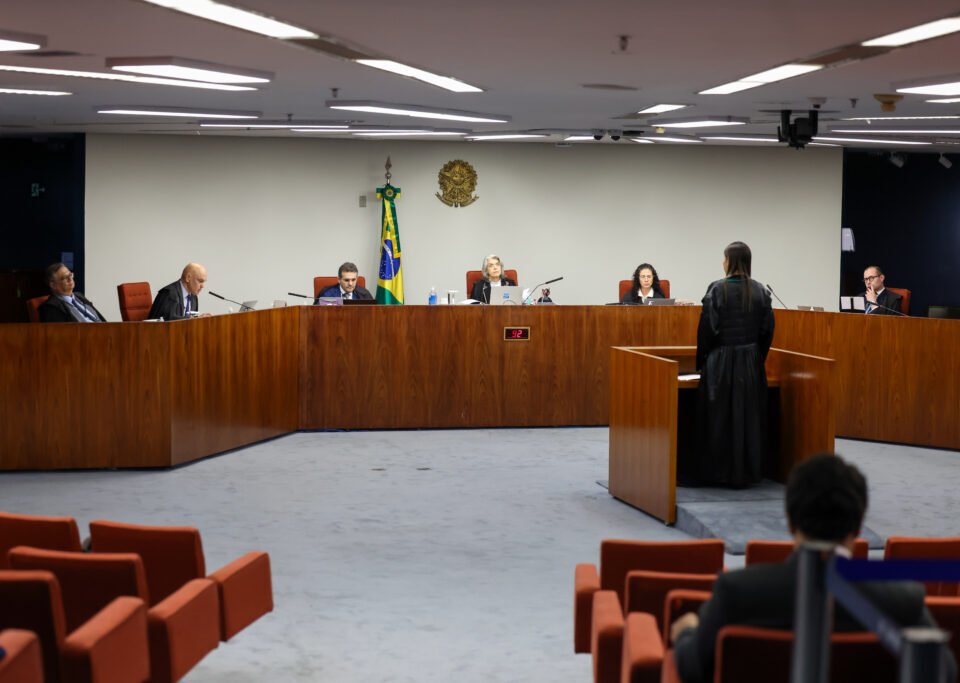
The Supreme Federal Court, while examining ADI 6.309, declared unconstitutional the minimum age requirement imposed by the transitional provision of EC 103/2019 for special retirement. The decision emphasizes that a fixed age threshold contradicts the protective purpose of this type of benefit, which is designed to shield workers exposed to hazardous conditions from excessive health risks.
Legal Background: EC 103/2019 and the Three Retirement Paths
With the enactment of the 2019 Constitutional Amendment, a new special retirement scheme emerged, comprising a permanent rule, a transitional rule, and a specific transition formula. The permanent rule restricts differentiated criteria, while the transitional rule sought to balance pre‑existing expectations with the new legislative framework.
Key Findings of the STF Judgment
The Court reasoned that special retirement carries an unmistakably protective character, granting early access to benefits because legislators presume heightened health deterioration due to exposure to harmful agents. Consequently, imposing a minimum age forces workers to remain in dangerous environments longer than necessary, undermining the benefit’s core rationale.
Impact on Pre‑reform and Post‑reform Contributors
The ruling does not distinguish between workers who joined the system before or after the amendment’s entry into force. By removing the age component from the point‑based calculation, the Court ensures that the transitional rule operates uniformly, eliminating any disparity that would have disadvantaged earlier contributors.
Practical Consequences for INSS and Workers
Administrative bodies, including the National Institute of Social Security, must adjust their processing procedures to reflect the absence of a minimum age requirement. Workers currently subject to the transitional points system can now rely solely on exposure duration, simplifying eligibility assessments and potentially accelerating benefit access.
Conclusion: A More Equitable Retirement Landscape
The STF’s stance reinforces the principle of equality before the law, ensuring that the special retirement benefit fulfills its protective mission without arbitrary age barriers. This decision marks a significant step toward a more inclusive and health‑focused approach to pensions for all categories of workers.
Perguntas Frequentes
What is ADI 6.309 and why is it important?
ADI 6.309 is a constitutional challenge that led the STF to declare the minimum age requirement for special retirement unconstitutional, preserving the benefit’s protective nature for workers exposed to hazardous conditions.
Which workers benefit from this ruling?
Both workers who joined the social security system before and after the 2019 amendment benefit, as the decision removes age barriers from the transitional points calculation.
How does the transitional rule change after the STF decision?
The transitional rule now relies only on the duration of exposure to harmful agents, eliminating the age component and the associated point threshold.
What does this mean for the INSS and benefit processing?
The INSS must adjust its procedures to assess eligibility based solely on exposure time, simplifying claims and ensuring faster access to special retirement.
Are there any remaining constitutional concerns with the special retirement rules?
The ruling confirms that the prohibition on converting special time into common time and the calculation method remain constitutional, focusing the analysis on the now‑invalid age requirement.